

Salt, Intention, and Immersion: Crafting the Ritual Bath
A ritual bath is a bath taken with intention, using salt and warm water to cleanse the body and clear what you have carried into the room with you. It asks you to slow down until the room becomes noticeable again — the warmth against the tile, the movement of water through the pipes, the weight of your own body as you lower into it. What follows is one way to hold your bath as both a physical practice and a ritual act, from the first clearing of the room to the last of the smoke.
Clear the edges before you draw the bath
Prepare the space before the water runs, so nothing pulls you out of the ritual once you have begun. Move away what you do not need. Bottles, clothes and loose clutter return to their places, so there is less to catch your attention when your movements have slowed. Set out a towel, clean clothing and a glass of water within reach.
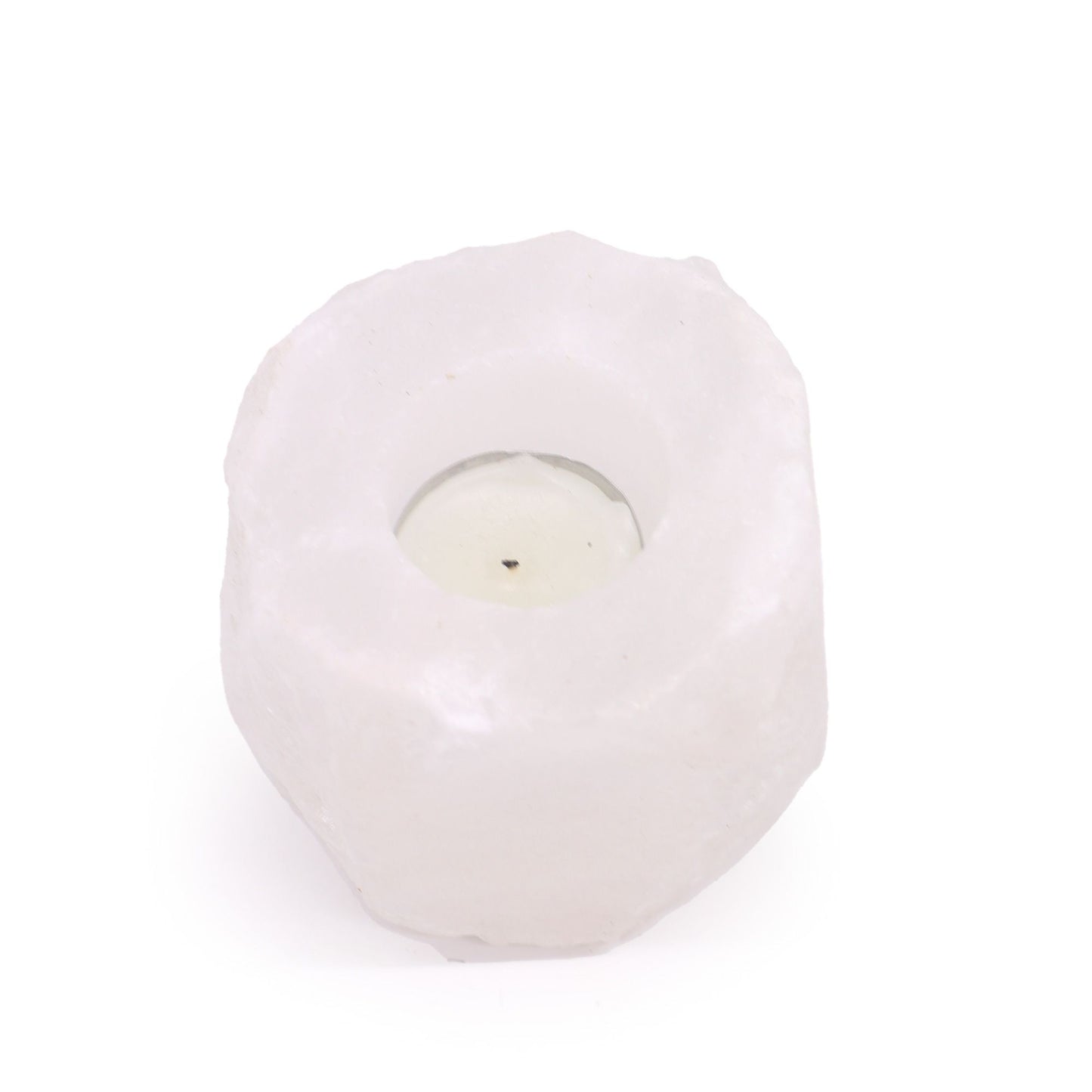
Then set the atmosphere. A Himalayan salt candle holder*, placed on a stable, dry surface away from the bath and the rising steam, holds a small pool of warmth once a tea light is lit inside it. The rock glows amber from within, uneven and warm.
Nearby, on another dry surface out of reach of splashes, a selenite tower lamp* gives a steadier, paler light. In some traditions selenite is kept near ritual spaces for clarity and protection. Here, let its presence mark the room as somewhere you have chosen to enter with care.
Salt has long been used to cleanse and protect
Salt is the heart of the ritual bath because it has long been associated, across many traditions, with cleansing, clearing and the drawing of boundaries. Many salts appear in different practices — coarse sea salt for washing away, black salt for banishing, mineral salts for a long soak. Each is chosen for the work at hand.
For a bath given to cleansing and protection, a plain mineral salt is the steady choice. It dissolves fully into warm water and asks nothing of your attention beyond the intention you bring to it. Add magnesium bath salts* to the running water and listen for the faint hiss as the granules meet the surface.
Stir them through with your hand until they dissolve. As you stir, hold the idea of the salt drawing a boundary around this time: what belongs to the day stays outside it.
Name what you are here to clear
Set your intention plainly, in language that names what you are clearing and what you wish to hold in its place. Vague wishes give the ritual nothing to return to. Specific ones give it a spine.
Name what you are here to release — the residue of a difficult conversation, the tension of a long week, a worry that has stayed too close to the surface, or stagnant and negative energies. Then name what you are protecting or strengthening: your rest, your clarity, the boundary between yourself and what drains you. You might say, quietly, I release what I no longer need to carry, and I make space for rest.
You do not need to force a feeling or make the words elaborate. In ritual practice, the meaning rests in the attention you bring to the act. Let the salt, the water and the intention meet without performance.
Enter slowly and let your shoulders drop
Enter the water slowly, letting your body register each stage of the descent. Test the water with your feet, let the soles settle, then lower your legs into the warmth and ease down until the water reaches your back.
Once you are settled, rest your arms at your sides and let your shoulders drop. Notice the water temperature, the weight of the salt water on your skin, the heat of the candle in the room, and the sound of your own breathing. There is no silence to fill. Let the water hold your weight. Feel where your body meets the base of the bath and where the surface moves against your ribs. Dip your head below the surface for a moment if you feel called to do so.
Each breath stirs a ripple through the water. Inhale slowly. Exhale without trying to empty yourself of anything. When your thoughts drift, return to the intention you named. If you chose release, repeat the words. If you chose rest, let the sentence grow shorter — I can be still.
Stay with the physical details: the warmth at your back, the damp hair at your neck, the sound of water touching the sides of the bath, your open hands. This is the heart of it — not an escape from the body, but a deliberate return to it.
Stay seated whilst the draining water carries the ritual away
When you are ready to close the immersion, do not step out. Reach for the plug and stay where you are as the water begins to drain.
Feel the level lower around you. The water moves first at the edges, then draws into a slow current around your legs and hips before it gathers and swirls away. Hold the intention you named at the beginning. In the tradition of ritual bathing, the salted water may be understood to carry away what you came to release — the residue of the day, the tension held in the shoulders, the thoughts that have stayed too close to the surface.
You do not need to decide whether anything has physically changed. Let the act be enough. As the water leaves, let your attention follow it down, until the last shallow movement passes across the bath and is gone. Remain seated until it has. Only then place your hands against the sides and prepare to rise.
Rise slowly, restore warmth and drink the water
Rise slowly once the water has gone, giving your body a moment to adjust after the stillness and the warmth. Take the towel and dry or wrap yourself without hurrying.
Then, with a little jojoba oil* warmed between your palms, massage damp skin with slow, steady movements. Feel warmth returning after stillness, moisture settling across your arms and legs, the deliberate motion bringing you back to yourself. It is a practical act of care that can also mark renewal after clearing.
Hydrating after ritual work is important, especially after salt baths, and so rehydrating is the plain, physical close to the ritual — as much a part of it as the salt or the smoke. Notice its coolness and freshness as you return to the ordinary room.

Let palo santo smoke seal the space
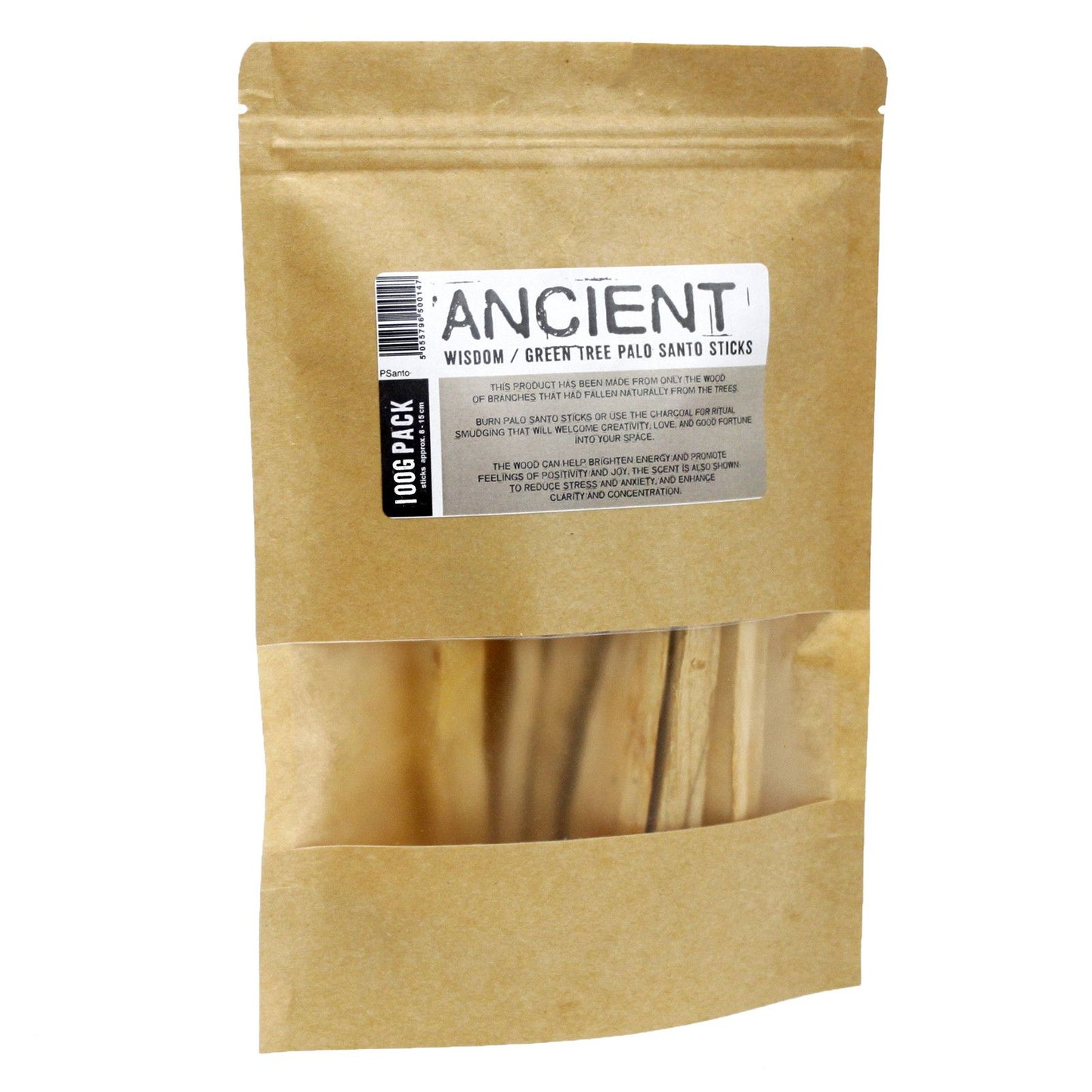
When you are dressed and steady, close the ritual with palo santo sticks*. Open a window first. Light one end, let it catch, then extinguish the flame so the wood smoulders and releases its smoke.
Guide the smoke through the room with care — around the doorway, above the bath, through the space where you drew the water. Its scent settles into the warm air, dry and faintly sweet. Palo santo has a long history of ceremonial use in South America, often chosen to close or purify a space.
You might speak a closing phrase — This work is complete. I return to myself — or let silence be the last word and let the smoke do the work. Extinguish the wood fully. Then notice your breath, the clothes against your skin, the floor beneath your feet. The ritual ends there: with presence, and with you returned to the room.
* Safety notes
- Bath salts — For external use only. Patch test before use. Avoid broken or irritated skin. Not suitable during pregnancy without medical guidance.
- General bathing — Keep the water comfortably warm, not hot. Rise slowly. If you feel faint, overheated or unwell, end the bath. Keep drinking water to hand.
- Jojoba oil — For external use only. Patch test before use. Keep out of reach of children. Not suitable during pregnancy. Oil makes skin, the bath and the floor slippery; keep the bottle on a dry surface and take care when standing and moving.
- Salt candle holder — Keep on a stable, dry surface away from water and steam. The salt is hygroscopic, so moisture can affect it. Never leave a lit candle unattended. Allow it to cool before moving.
- Selenite tower lamp — Selenite is water-soluble; never place it in bathwater. Keep it on a dry surface away from splashes. If cleansing it, use moonlight or smoke only, never water.
- Palo santo — Open a window for ventilation. Place smouldering wood on a heat-resistant surface. Never leave it unattended, and extinguish it fully after use. Avoid if smoke aggravates a respiratory condition. If smoke is unsuitable, close the ritual another way — with silence, a bell, or by turning off the lights.